HOPE SMITH editor-in-chief hope.smith393@my.tccd.edu The TCC community stopped in its tracks April 8 as the moon passed over the sun, […]
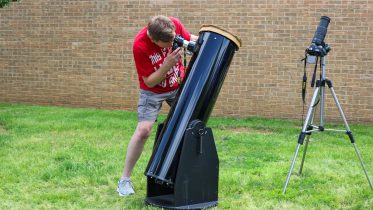

HOPE SMITH editor-in-chief hope.smith393@my.tccd.edu The TCC community stopped in its tracks April 8 as the moon passed over the sun, […]
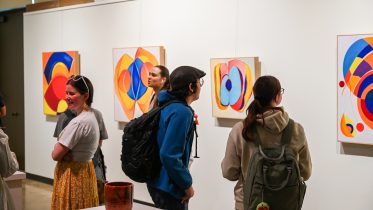
HUDA QURESHI campus editor huda.qureshi@my.tccd.edu As an artist, Ralph Tobin practices intentionality through deliberate and planned-out paintings. A Thursday exhibition […]

ELIJAH POILE staff reporter collegian.editor@tccd.edu Every day, 190 people die from an opioid overdose in the U.S., according to the […]
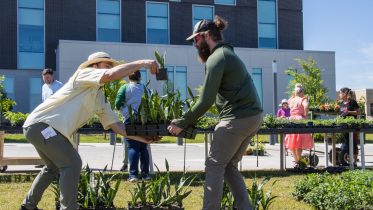
HOPE SMITH editor-in-chief hope.smith393@my.tccd.edu Crowds of community members gathered at the front of NW Campus’ yard early in the morning […]
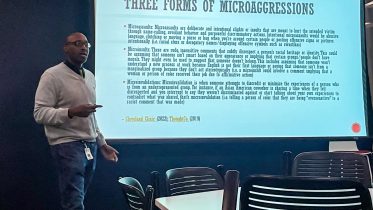
OLLA MOKHTAR campus editor olla.mokhtar@my.tccd.edu During one of his shifts, TR student Marc Núñez-Díaz said his supervisor was going around […]
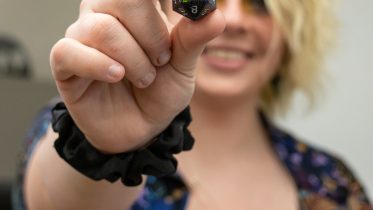
RACHAEL ADAMS staff reporter collegian.editor@tccd.edu The NE Neurodivergent Club and the Gaming Club at the TCC NE Campus is working […]

KEYLA HOLMES campus editor kelya.holmes@my.tccd.edu For many, Freaknik has been coined as the greatest Black gathering in America. Some college […]

NINA BANKS managing editor nina.banks@my.tccd.edu Four years after “Positions,” a very public divorce and honey blonde hair, Miss Ariana Grande […]

collegian.editor@tccd.edu Childbirth rates among young American adults have been on the decline for many years, and there’s a host of […]
FOUSIA ABDULLAHI campus editor fousia.abdullahi@my.tccd.edu Being a non-traditional student can be challenging. Non-traditional students either have a large gap between […]
OLLA MOKHTAR campus editor olla.mokhtar@my.tccd.edu Being the youngest sibling can often feel like you’re a tumbleweed. Always looking to see […]

FOUSIA ABDULLAHI campus editor fousia.abdullahi@my.tccd.edu There is no place like home during the total eclipse. Texas will be in the […]

FOUSIA ABDULLAHI campus editor fousia.abdullahi@my.tccd.edu NE Campus students and employees celebrated international cultures with music, food and dancing at the […]
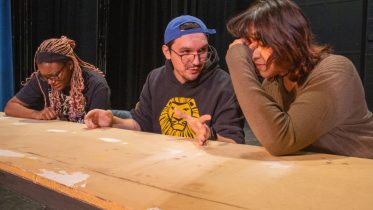
HOPE SMITH editor-in-chief hope.smith393@my.tccd.edu Those who have ever experienced an awkward bar encounter with someone all too friendly might find […]
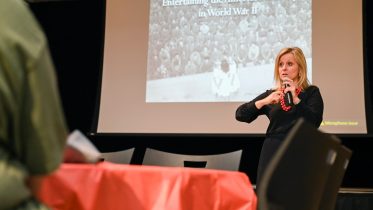
XAVIER BOATNER campus editor xavier.boatner@my.tccd.edu NE Campus ended Women’s History Month with an event that examined the perception of women […]

HUDA QURESHI campus editor huda.qureshi@my.tccd.edu David Marquis, an author, activist and water conservationist, spoke to NE Campus students on Wednesday. […]
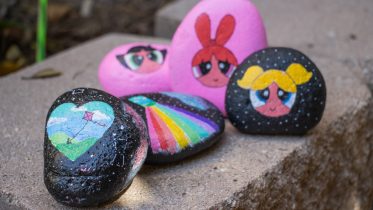
KEYLA HOLMES campus editor keyla.holmes@my.tccd.edu Justin Thyme started painting rocks for a class assignment. He earned in A, but felt […]

XAVIER BOATNER campus editor xavier.boatner@my.tccd.edu The docuseries ‘Quiet On Set: The Dark Side Of Kids TV’ is a cautionary tale […]